
It was fascinating to observe, over a rather good early morning breakfast, robots at work in a lounge at Manchester Airport.

Blog | Science | Technology | Innovation | Policy
It was fascinating to observe, over a rather good early morning breakfast, robots at work in a lounge at Manchester Airport.
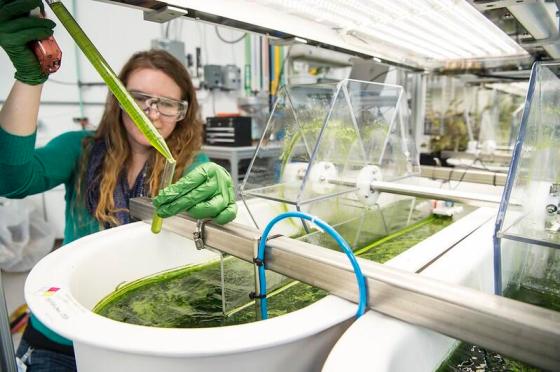
What could the future bioeconomy look like? In a piece published in Issues in Science and Technology, we offer a vision of an industrial ecosystem that better meets society’s changing needs.

Can urban innovation districts be more inclusive? asks a Research Professional News opinion piece written by Alina Kadyrova, Kieron Flanagan, Philip Shapira and Elvira Uyarra.

Commercialization networks in emerging technologies: the case of UK nanotechnology small and midsize enterprises. Fatemeh Salehi, Philip Shapira, and Judy … More
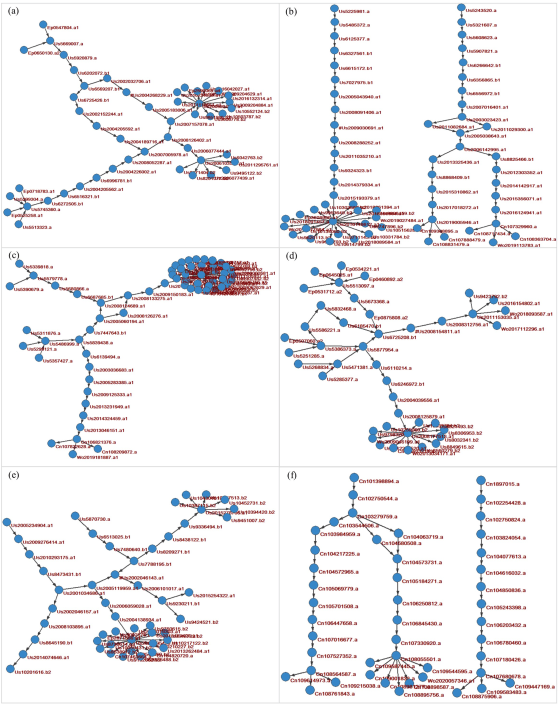
AI patents are analyzed to map technological innovation trends and patterns.
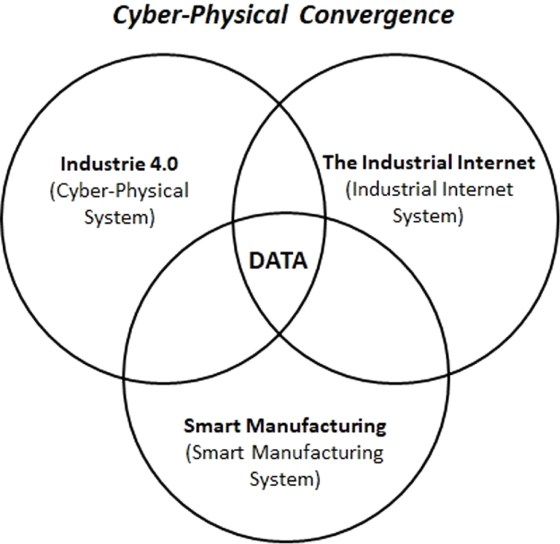
The case of cyber-physical convergence in manufacturing and industrials. With Tausif Bordoloi and Paul Mativenga, I am a co-author of “Policy interactions … More
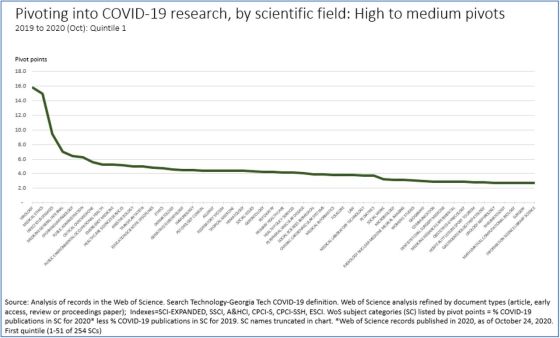
I have posted an initial bibliometric analysis of scientific publications and COVID-19 “research pivots” during the 2020 coronavirus pandemic (to date).
A rejoinder to comments received on “Introducing the dilemma of societal alignment for inclusive and responsible research and innovation.”
A new paper highlights 20 emerging issues in bio-engineering.
January 20, 2020. DARPA — the US Defense Advanced Research Projects Agency — is often held up as a model … More

